
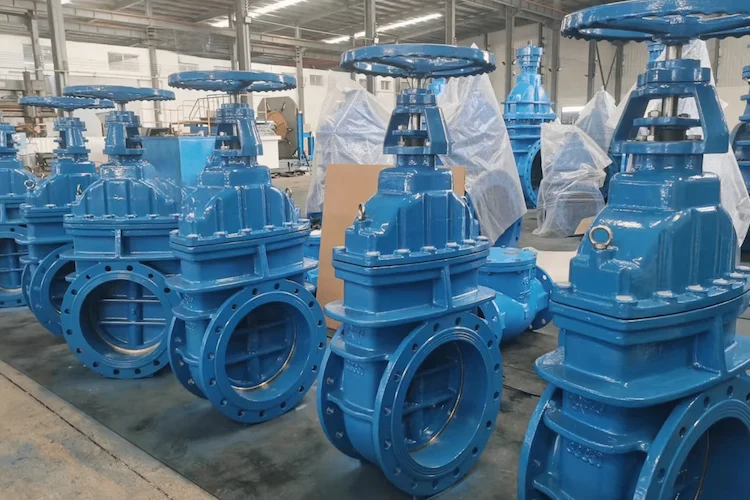
Gate Valve
A wedge lifts clear of the bore, leaving a straight, full-bore path with very little pressure drop. For fully open or fully closed service.
- Standards
- API 600 · API 603 · ISO 10434
- Classes
- 150 – 2500
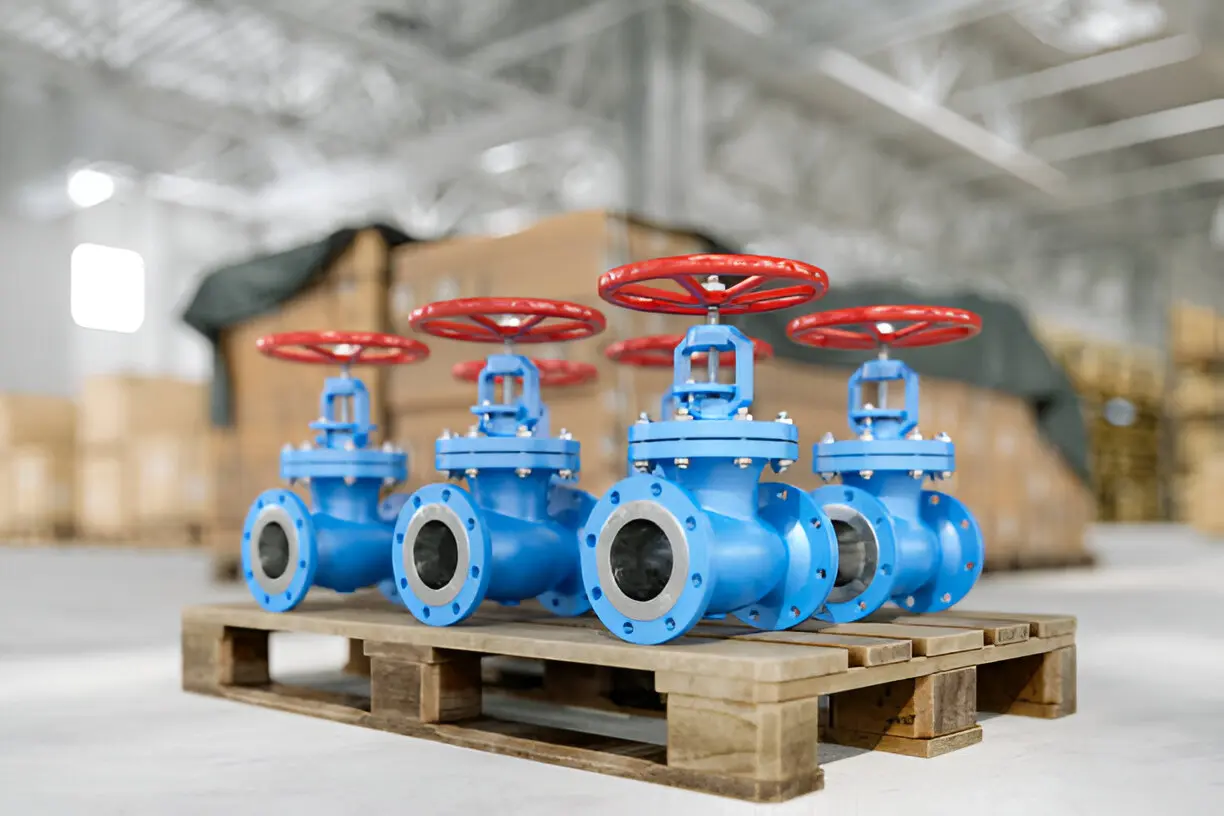
Gate, globe, ball, butterfly, check, plug, needle and forged valves in carbon steel, stainless steel, alloy steel, duplex and nickel alloys — with the body materials, trim, pressure classes and testing you need to specify them.
We supply gate, globe, ball, butterfly, check, plug and needle valves, and compact forged steel valves for small-bore lines — in carbon steel, stainless steel, alloy steel, duplex and nickel alloys, for isolation, flow control and non-return duty.
Valves are supplied with body and trim materials, end connections and pressure class matched to your piping specification, with the pipe, fittings, flanges and bolting to go with them. Every valve is pressure tested and supplied with its material and test certificates. When your project needs independent verification, inspection by your nominated agency is carried out before dispatch.
Every valve does one of three jobs: isolate the line, regulate the flow, or stop it running backwards. The type decides which job it does well.
A wedge lifts clear of the bore, leaving a straight, full-bore path with very little pressure drop. For fully open or fully closed service.
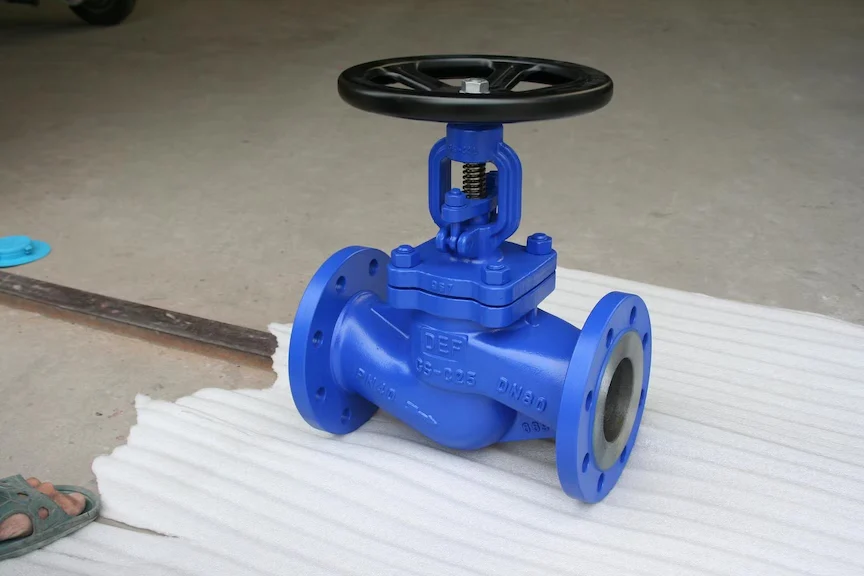
A plug moves onto a seat as the flow turns through the body. Controls flow precisely and shuts off tightly, at the cost of more pressure drop.
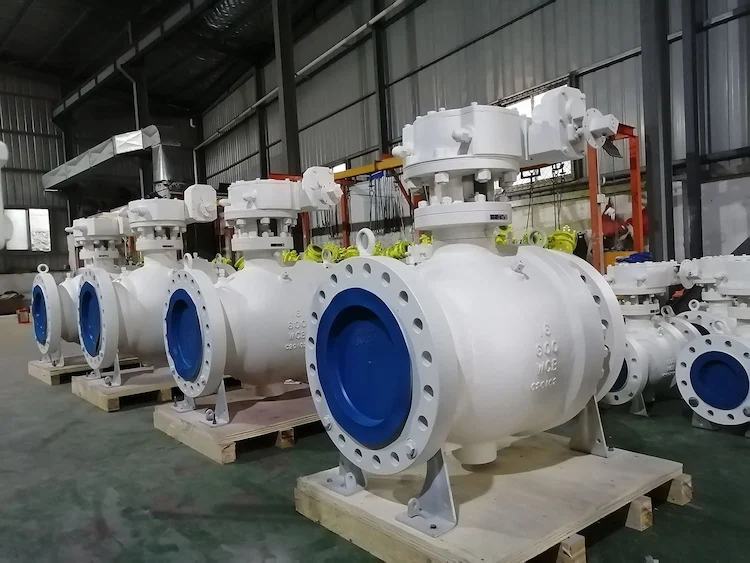
A ball with a bore through it turns 90° to open or close. Quick to operate with tight shut-off. Floating ball in small sizes, trunnion mounted in large sizes and high classes.
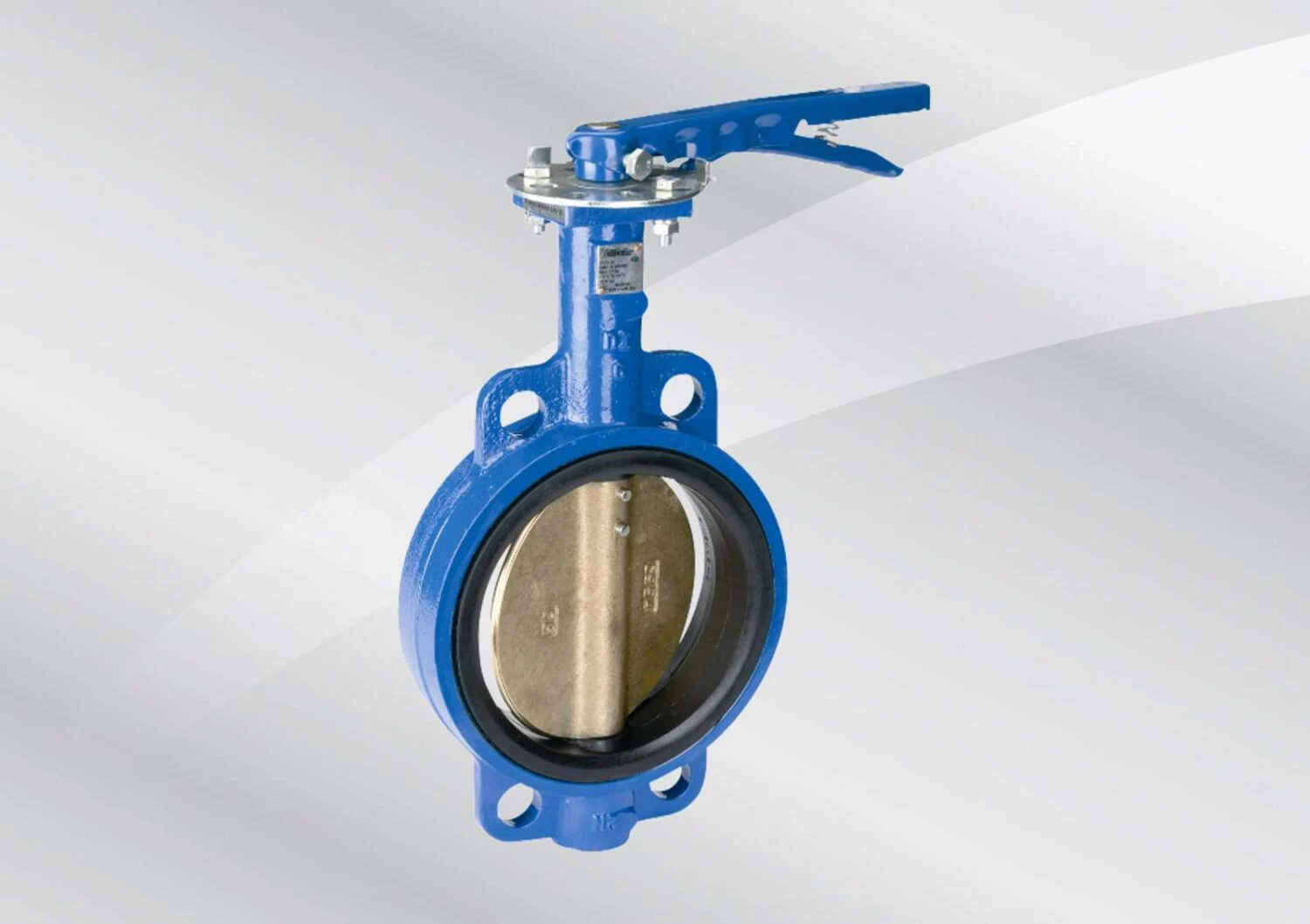
A disc on a shaft turns across the flow. Short, light and economical in large sizes. Concentric for utilities; double and triple offset for tight shut-off at higher pressure and temperature.
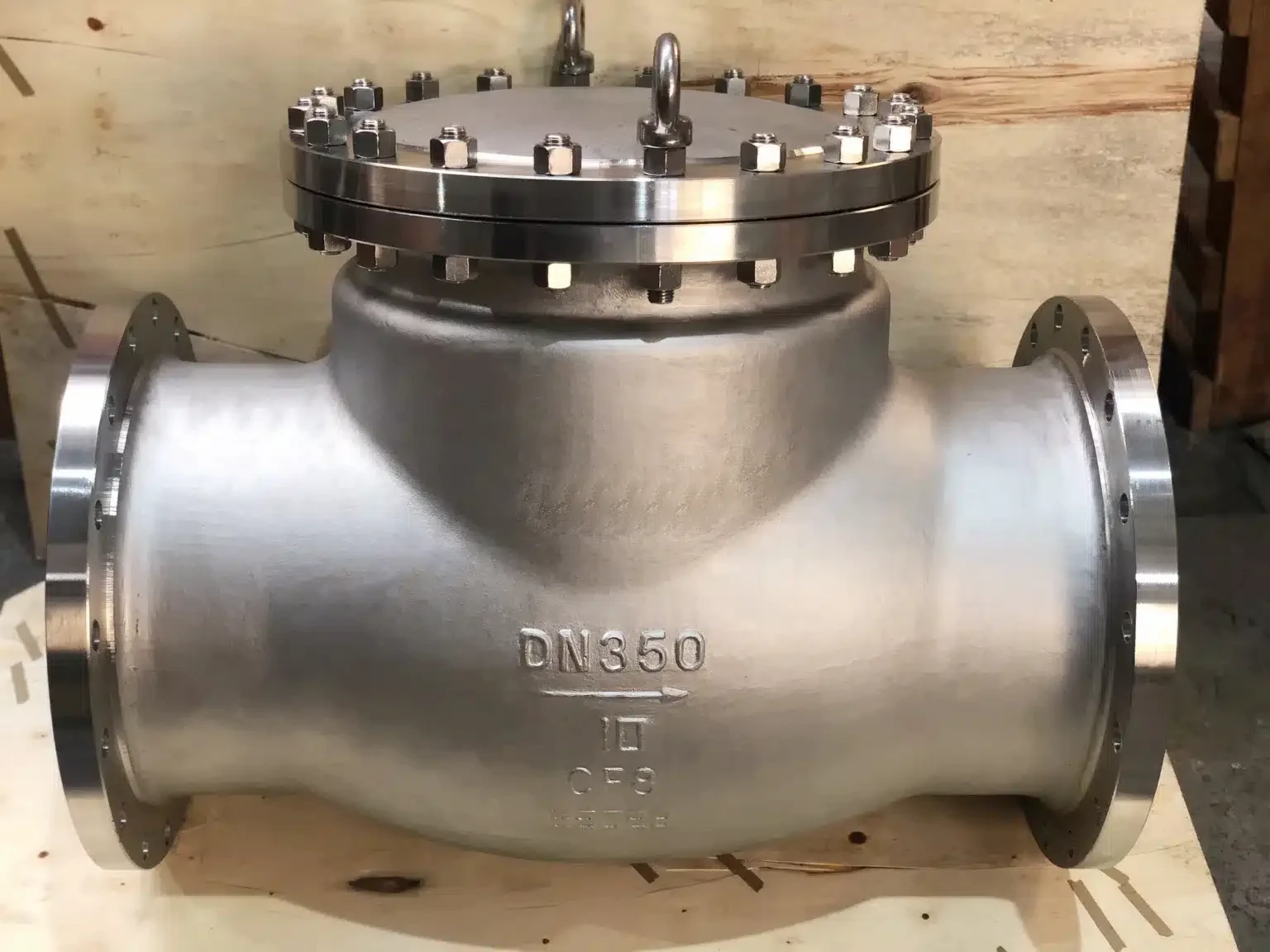
A hinged disc is pushed open by forward flow and swings shut if the flow reverses. Low pressure drop; best in horizontal lines.
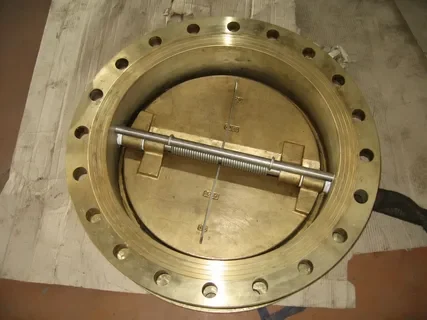
Two spring-loaded half discs fold open with the flow and snap shut before it reverses. Compact, light and quick to close, limiting water hammer.
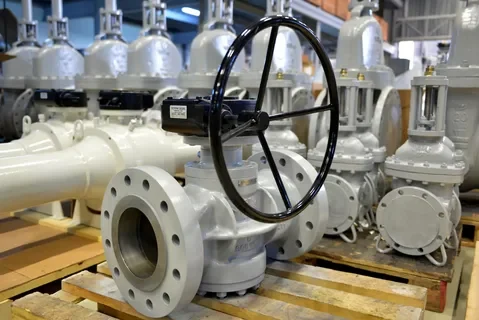
A tapered or cylindrical plug with a port turns 90°. Simple and robust, with few cavities, for slurries, gas and multi-port diverting service.
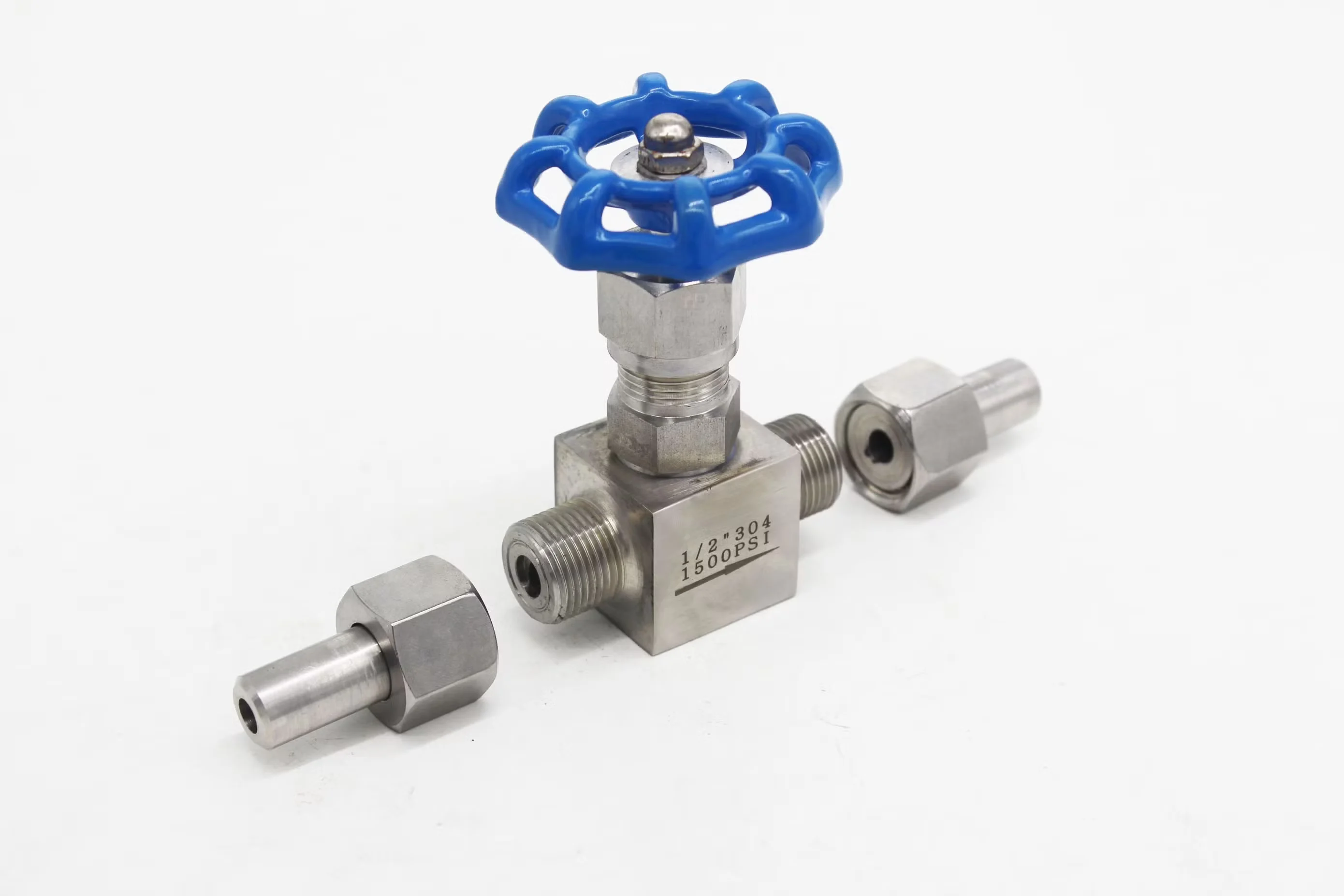
A fine tapered needle gives very precise control of small flows. Used on instrument, gauge, sampling and hydraulic lines.
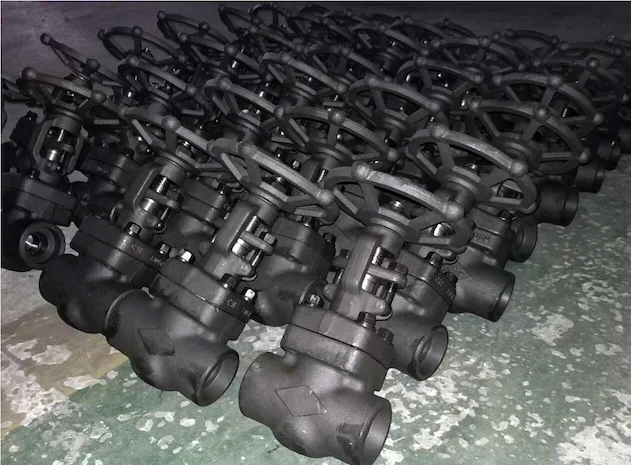
Compact gate, globe and check valves with forged bodies, for high-pressure small-bore lines, drains, vents and instrument take-offs.
Each drawing shows the valve closed, with the closing element in amber and a grey arrow for how it moves. How it closes decides the pressure drop, the speed and how well it controls flow.
The wedge slides down across the bore. Fully open, nothing is left in the flow path.
The plug lifts off a seat inside the body. The flow turns through an S-shaped path, which makes fine control possible.
The ball turns 90°. Open, its bore lines up with the pipe; closed, the solid side faces the flow.
The disc turns on its shaft across the bore. Open, it stays edge-on in the flow.
Forward flow swings the disc open; if the flow reverses, the disc falls back onto the seat.
Each valve type has its own design standard. The pressure–temperature rating of the body comes from ASME B16.34, which works like the flange ratings in ASME B16.5.
| Valve | Design standard | Scope |
|---|---|---|
| Gate, cast steel, bolted bonnet | API 600 · ISO 10434 | Flanged and butt weld gate valves for refinery and process service, Class 150 to 2500. |
| Gate, corrosion-resistant | API 603 | Lighter-wall stainless and alloy gate valves, Class 150, 300 and 600. |
| Gate, globe & check, forged | API 602 · ISO 15761 | Compact forged steel valves for small bore, typically NPS 2 and smaller, Class 800 and 1500. |
| Globe, steel | BS 1873 · ASME B16.34 | Bolted bonnet globe and stop-check valves for the petroleum and process industries. |
| Check, steel | BS 1868 · API 594 | Swing check (BS 1868) and wafer, lug and flanged check valves including dual plate (API 594). |
| Ball, metal body | API 608 · ISO 17292 | Floating and trunnion ball valves for process piping. |
| Pipeline valves | API 6D | Ball, gate, plug and check valves for oil and gas pipelines, Class 150 to 2500. |
| Butterfly | API 609 · EN 593 | Concentric (Category A) and double and triple offset (Category B) butterfly valves. |
| Plug | API 599 | Metal plug valves, flanged, threaded and welding end. |
| All steel valves | ASME B16.34 · B16.10 | Pressure–temperature ratings, wall thickness and face-to-face dimensions. |
Swipe the table sideways to see every column
Pressure classes work as they do for flanges: the class is a designation, and the pressure allowed depends on the body material and the temperature. See the pressure ratings on the Flanges page. Class 800 is an extra intermediate class used for small forged valves.
Larger valves have cast bodies; small-bore valves are forged. Each cast grade has a forged equivalent, so valves of both kinds can be matched to the same piping class.
| Material | Cast body | Forged body | Where it is used |
|---|---|---|---|
| Carbon steel | |||
| Carbon steel | A216 WCB · WCC | A105 | General process, oil, gas, water and steam service. |
| Low-temperature carbon steel | A352 LCB · LCC | A350 LF2 | Impact tested for cold service, to about −46 °C. |
| Stainless steel | |||
| 304 / 304L | A351 CF8 · CF3 | A182 F304 · F304L | Water, food and mildly corrosive service. |
| 316 / 316L | A351 CF8M · CF3M | A182 F316 · F316L | Chemical, pharmaceutical, coastal and cryogenic service. |
| 347 | A351 CF8C | A182 F347 | High-temperature stabilised service. |
| Alloy steel | |||
| 1¼Cr – ½Mo | A217 WC6 | A182 F11 | Steam and high-temperature process lines. |
| 2¼Cr – 1Mo | A217 WC9 | A182 F22 | High-pressure steam and hydrogen service. |
| 5Cr – ½Mo | A217 C5 | A182 F5 | Refinery service with hot sulphur-bearing streams. |
| 9Cr – 1Mo – V | A217 C12A | A182 F91 | Main steam in power plants. |
| Duplex & super duplex | |||
| Duplex 2205 | A995 4A | A182 F51 | Seawater, offshore and chemical service. |
| Super duplex 2507 | A995 5A | A182 F53 | Seawater and high-chloride service. |
| Super duplex S32760 | A995 6A | A182 F55 | Seawater, firewater and sour service. |
| Nickel alloys & bronze | |||
| Monel 400 | A494 M35-1 | B564 N04400 | Seawater and hydrofluoric acid. |
| Inconel 625 | A494 CW-6MC | B564 N06625 | Seawater and severe chemical service. |
| Hastelloy C276 | A494 CW-12MW | B564 N10276 | Wet chlorine and mixed acids. |
| Nickel aluminium bronze | B148 C95800 | – | Seawater butterfly and check valves. |
Swipe the table sideways to see every column
The body material sets the pressure–temperature rating and must suit the fluid. Chemistry and strength of the forged grades are on the Flanges page.
The trim is the stem, the closing element and the seat faces — the wetted parts that wear. For gate, globe and check valves it is specified by an API 600 trim number.
| Trim number | Stem · disc · seat | Typical service |
|---|---|---|
| Trim 1 | 13Cr · 13Cr · 13Cr | General oil, gas and steam service at moderate temperature. |
| Trim 5 | 13Cr · hard-faced · hard-faced | Erosive, high-pressure and high-temperature service. |
| Trim 8 | 13Cr · 13Cr · hard-faced | The most common general-purpose refinery and steam trim. |
| Trim 9 | Monel · Monel · Monel | Seawater, brine and hydrofluoric acid. |
| Trim 10 | 316 · 316 · 316 | Corrosive service where 13Cr would be attacked. |
| Trim 12 | 316 · 316 · hard-faced | Corrosive service with erosion or wear. |
Swipe the table sideways to see every column
13Cr is 13 % chromium martensitic stainless steel (type 410). Hard-facing is a cobalt-chromium or nickel-chromium alloy welded onto the seat faces.
End connections match the piping, bonnets match the pressure and temperature, and the operator matches the size and how often the valve is used.
Valves are pressure tested to API 598: the shell for strength, and the seat for shut-off. Test pressures follow the valve's rating; these are for carbon steel bodies, Material Group 1.1.
bar · hydrostatic, carbon steel body
The shell test is 1.5 times the rated pressure at 38 °C, rounded up. It proves the body, bonnet and joints before the valve leaves.
What each test checks
| Class | Rating at 38 °C bar | Shell test bar | Seat test, water bar | Seat test, air bar |
|---|---|---|---|---|
| 150 | 19.6 | 30 | 22 | 4 – 7 |
| 300 | 51.1 | 77 | 57 | 4 – 7 |
| 600 | 102.1 | 154 | 113 | 4 – 7 |
| 900 | 153.2 | 230 | 169 | 4 – 7 |
| 1500 | 255.3 | 383 | 281 | 4 – 7 |
| 2500 | 425.5 | 639 | 469 | 4 – 7 |
Swipe the table sideways to see every column
A starting point for choosing the valve type. Tell us the fluid, pressure, temperature and duty, and we will quote the valves that fit.
| Duty | Typical choice | Why |
|---|---|---|
| Isolation, full bore, low pressure drop | Gate · full-bore ball | Nothing left in the flow path when open. |
| Quick on/off with tight shut-off | Ball valve | A quarter turn, with soft seats that seal bubble-tight. |
| Throttling and flow control | Globe · needle | Flow changes steadily with stem travel. |
| Large water and cooling lines | Butterfly, concentric | Light, short and economical in large sizes. |
| High temperature, tight shut-off | Triple offset butterfly · gate | Metal seats that seal without rubbing. |
| Stop reverse flow, horizontal lines | Swing check | Low pressure drop through the open disc. |
| Stop reverse flow, compact or pump discharge | Dual plate check | Short, light and fast closing against water hammer. |
| Small-bore high-pressure lines | Forged valves, API 602 | Compact bodies for drains, vents and instrument take-offs. |
| Slurries and multi-port diverting | Plug valve | Few cavities for solids to collect in. |
| Oil and gas pipelines | API 6D ball · gate · check | Built and tested for pipeline service. |
| Steam | Gate · globe, Trim 8, WCB or WC6 | Hard-faced seats resist wire drawing and erosion. |
| Seawater | Duplex · NAB · Monel trim | Resist chloride pitting and erosion. |
Swipe the table sideways to see every column
This guide is for orientation only. The choice of valve, materials and pressure class depends on the full service conditions and the governing piping code, and remains the responsibility of the design engineer.
A gate valve lifts a wedge clear of the flow path, so when fully open it gives a straight, full bore with very little pressure drop. It is for on/off isolation and should not be used part-open. A globe valve lowers a plug onto a seat, with the flow turning through the body. It has a higher pressure drop but controls flow well, so it is used for throttling and regulation. See how they work.
Both open and close with a quarter turn. A ball valve gives a tight shut-off and a full or nearly full bore, and suits most sizes up to the medium range. A butterfly valve is lighter, shorter and cheaper in large sizes, so it is preferred for large water, cooling and utility lines. High-performance double and triple offset butterfly valves are used for tighter shut-off and higher pressures and temperatures.
API 600 numbers the combinations of materials used for the stem, the disc or wedge and the seat surfaces. For example, Trim 1 is 13 % chromium stainless throughout, Trim 5 has hard-faced seats and wedge, Trim 8 has a 13 % chromium stem and wedge with hard-faced seats, and Trim 10 is type 316 stainless steel. See the trim table.
Class 800 is an intermediate pressure class, between Class 600 and Class 900, used for small forged steel gate, globe and check valves to API 602, typically NPS 2 and smaller with socket weld or threaded ends.
Valves are pressure tested to API 598. The shell test checks the body at about 1.5 times the rated pressure at 38 °C. The seat or closure tests check shut-off, with water at about 1.1 times the rated pressure and with air or gas at low pressure. Gate and globe valves also get a backseat test. Leakage must be within the limits of the standard. See pressure testing.
Valves are supplied with the material test certificates for the pressure-containing parts, to EN 10204 Type 3.1 or 3.2, and the pressure test certificate to API 598. Fire-safe, fugitive-emission or NACE certificates are supplied when the order calls for them, along with the agency's inspection release note when third-party inspection is required. More on our quality & inspection page.
Pipe, fittings, flanges and bolting in matching grades, so the whole line comes from one supplier with one set of documents.
Send the valve type, size, class, ends and materials. We will confirm availability and quote, with material and test certificates and the inspection you need.